Leatherjackets

Leatherjackets

We come across clients experiencing problems with Leatherjackets management. In order to help, these are the steps we advise to best deal with the problem.

Leatherjackets

We come across clients experiencing problems with Leatherjackets management. In order to help, these are the steps we advise to best deal with the problem.

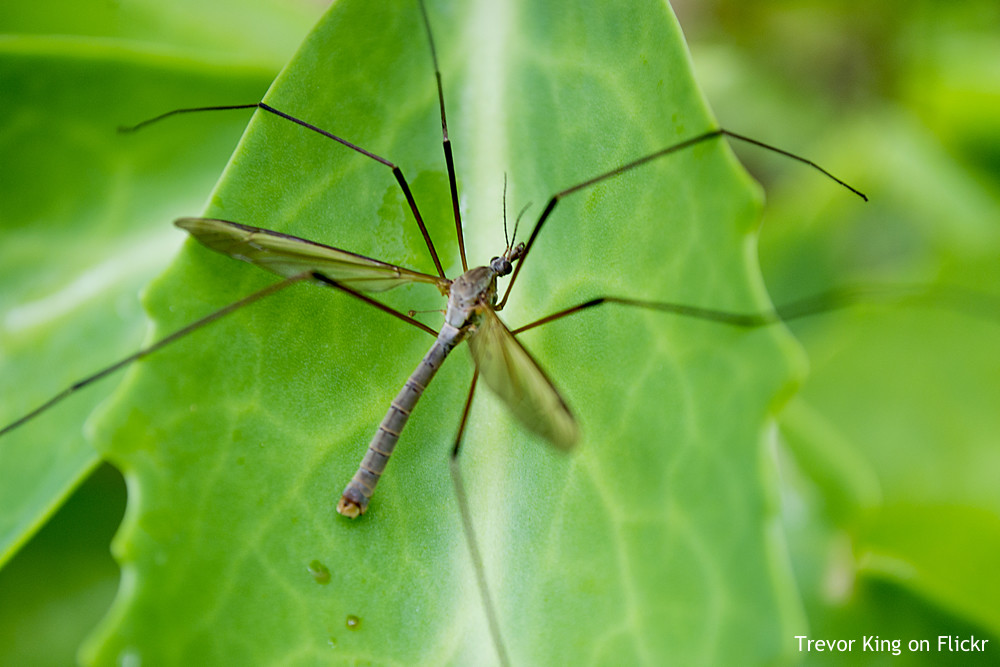
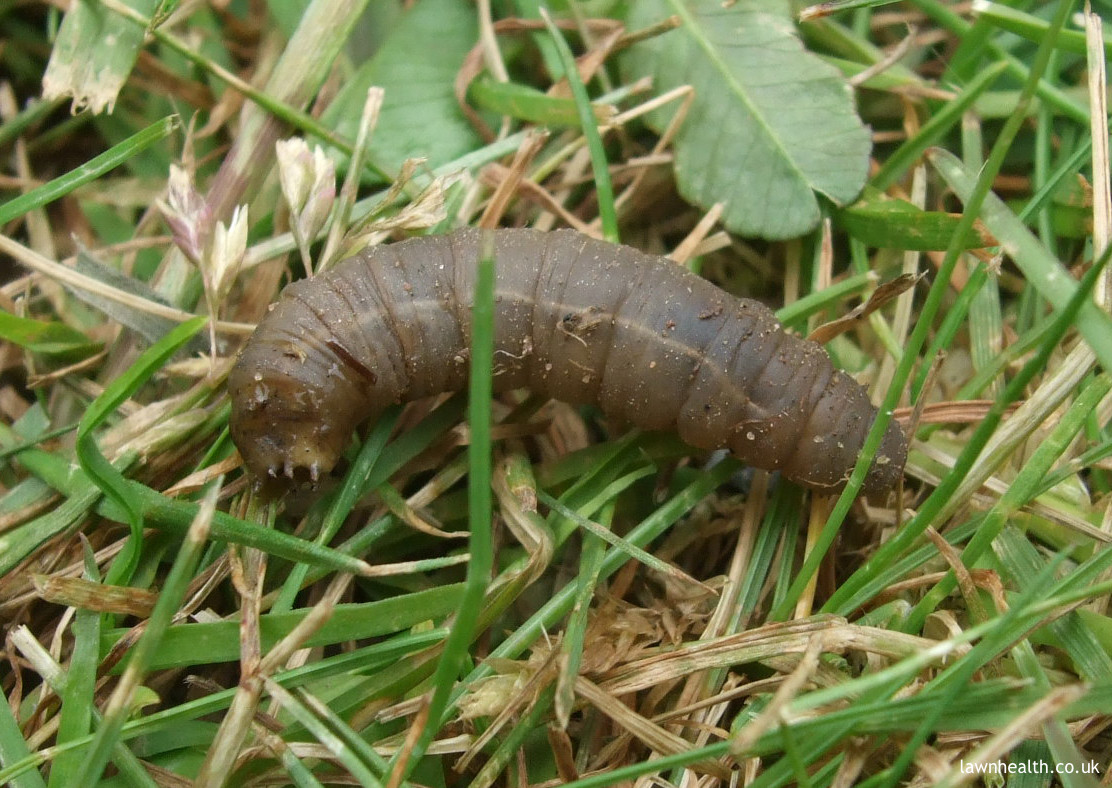
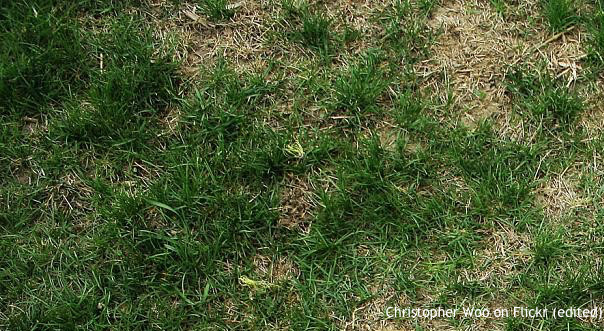
Leatherjackets are the larvae of Crane fly (Daddy long legs). The larvae hatch from eggs laid in grass during July, August and September. They burrow down into the soil and start feeding on grass roots. As they feed and grow they do progressively more damage to the grass and by spring can have eaten enough roots to kill patches of a lawn. Damage can also be caused by birds digging the lawn in search of the grubs.

STEP 1 – ARE CRANEFLY PRESENT?

Between June and October observe whether any Cranefly (Daddy long legs) are present on the grass.
STEP 2 – CHECK FOR LEATHERJACKETS

From September through the winter check for Leatherjackets by digging 3-5cm down into the soil with a spade, especially if Cranefly were seen, and/or there are any signs of deterioration in the lawn.
STEP 3 – TREAT WITH NEMATODES

Chemical treatments for leatherjackets are now banned worldwide. Treatment with nematodes is undertaken only once leatherjackets have been observed in the autumn. They should then be applied according to instructions. They are live worms so must be used within 2 weeks of supply, with sufficient water and soil temperature higher than 12C.They will kill the grubs within a few weeks. A further application can be made if necessary.

Other measures which can be taken include covering the lawn with polythene over night to encourage leatherjackets to the surface. They can then be removed from the surface in the morning.

STEP 4 – CHECK AGAIN IN THE SPRING

Having used nematodes, especially if you notice a patchy lawn, check again for leatherjackets the following Spring (March) and treatment can be repeated once the soil is warm enough.
FINAL THOUGHTS

New turf is more susceptible to damage while its root system gets established so preventative action is advisable. But even a healthy established lawn could be affected. We saw a few instances of this in Spring 2016 after a particularly warm and wet winter. So use of nematodes following the presence of Cranefly in the summer is important.

Further sources of advice and suppliers of Leatherjacket Nematodes:

www.turfgrass.co.uk/2020/09/30/insects-in-your-lawn/

www.amazon.co.uk

www.rhs.org.uk/advice/profile?pid=651

www.rhs.org.uk/advice/pdfs/biological-control-suppliers

Contact us or search Google for suppliers of Nematodes and for information about leatherjackets. Please contact us on 01392 231040 or email sales@wesellturf.com

Contact us

01392 231040
sales@wesellturf.com

Office address

HCT Turf
The Old Stable
Clyst Road
Topsham
EX3 0DB

Social media
An insight into Gardening Competitions from Richard Taylor

Gardening Competitions

There are some key points which will make all the difference when you take your gardening into the competitive sphere. Richard Taylor from Bovey Tracey shares his experience gained from judging events such as South West in Bloom and Keep Britain Tidy.

Garden photography tips

There are some key points which will make all the difference when you take your gardening into the competitive sphere. Richard Taylor from Bovey Tracey shares his experience gained from judging events such as South West in Bloom and Keep Britain Tidy.

Untold hours of labour and love go into the fantastic entries for campaigns such as South West in Bloom. But there are also some key points to be aware of when preparing for any garden competition which will give you that all important edge over the others.

Some judging tips:

– Its important to make a good impression; the judge has limited time

– Shrubs and hedges should neatly clipped and any dead plants, flowers or leaves removed

– Plants should look healthy. There should be no disease or insect infestation

– Garden design is important, and includes layout, use of colour, line, form, texture and plants

– Beds should be well mulched with material that doesn’t look as though it was put down the day before judging

– Try to have a clear theme for the garden and stick to it

– Lawns should be healthy, weed free and nicely edged

– Resist the urge to put in an instant garden or planted garden. It will be obvious to a competent judge.

Richard Taylor

We are delighted to welcome Richard as one of our judges for #ILoveMyDevon Garden 2022. Here’s a bit more about him.

I have worked in the horticultural industry for forty six years years, forty two of which have been spent working in local government. In local government I came up through the ranks from gardener with Birmingham City Council to becoming Leisure Community Development Manager at Torbay Council where I worked for fifteen years until I retired in 2015. At Torbay I was responsible for parks, allotments, sports fields, play areas, funding and park friends groups.


I have been a South West in Bloom judge for over fifteen years and am also the Devon coordinator for the Royal Horticultural Society’s ‘It’s Your Neighbourhood” award, entries which are managed by South West in Bloom. 


In my home town of Bovey Tracey I lead the South West in Bloom entry. I also manage South West in Bloom’s Best Parks competition.


For over twenty years I was a Green Flag judge for Keep Britain Tidy, judging parks, nature reserves and community projects in the South West.

For all the details of our #ILoveMyDevonGarden charity campaign click here

Contact us

01392 231040
sales@wesellturf.com

Office address

HCT Turf
The Old Stable
Clyst Road
Topsham
EX3 0DB

Social media
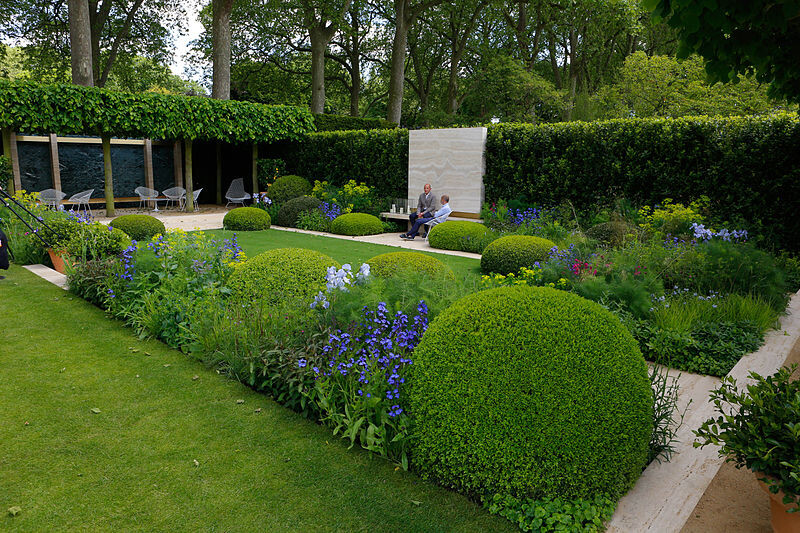
Accessibility to Green Spaces from Susan Fallon

Accessibility to Green Spaces

Susan Fallon, Trustee of Exeter charity Living Options Devon, tells us about importance of improving access to green spaces for everybody

Accessibility to Green Spaces

Susan Fallon, Trustee of Exeter charity Living Options Devon, tells us about importance of improving access to green spaces for everybody

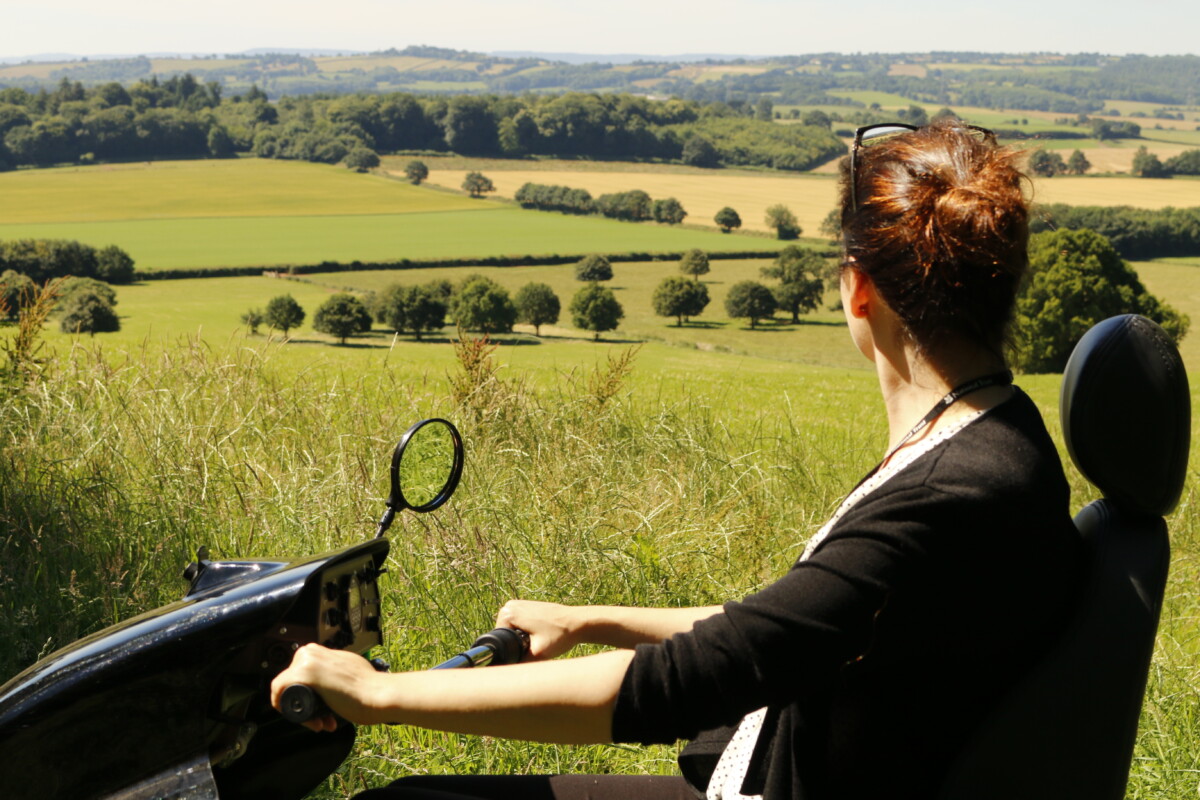
I am a Living Options Devon Trustee and a keen walker. Being able to access the outdoors with friends and family means everything to me and is really the best thing for my mental and physical wellbeing.  There are over 14 million disabled people in the UK, and more than one in five of us will be affected by disability at some point in our lives. Why would we as a society not want everyone to benefit from the great outdoors?

When I see a tramper being used is one of the most joyous things I think – and it’s so simple, there should be trampers everywhere!    I am sure most of us, or family and friends we want to spend time with, will need some sort of tramper at some point in our lives. Living Options will continue to work tirelessly to make sure that our world is accessible for all and all are included in the benefits of being outdoors.


Please get involved with the HCT Turf  #ILoveMyDevonGarden capaign and feel proud that you are part of sharing the outdoors with everyone. And if you are not already a tramper user, do look out for them when you are out and about!

Susan Fallon

For all the details of our #ILoveMyDevonGarden charity campaign click here

Susan Fallon

We are delighted to welcome Susan as one of our judges for #ILoveMyDevon Garden 2022.

For all the details of our #ILoveMyDevonGarden charity campaign click here

Contact us

01392 231040
sales@wesellturf.com

Office address

HCT Turf
The Old Stable
Clyst Road
Topsham
EX3 0DB

Social media
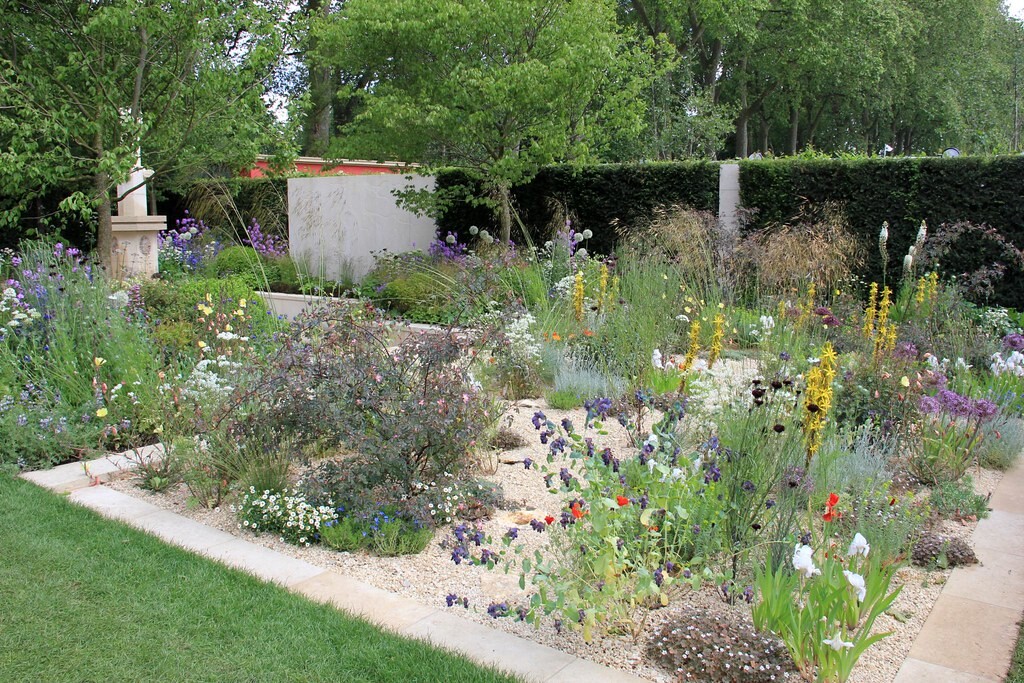
Garden photography tips from Felix Northover

Garden photography tips

The art of capturing a great photograph often doesn’t come down to what equipment you have but rather some basic understanding of light and composition.

Garden photography tips

The art of capturing a great photograph often doesn’t come down to what equipment you have but rather some basic understanding of light and composition.

The art of capturing a great photograph often doesn’t come down to what equipment you have but rather some basic understanding of light and composition. Let’s have a look at some ‘rules’ of photography.

Composition – an essential one

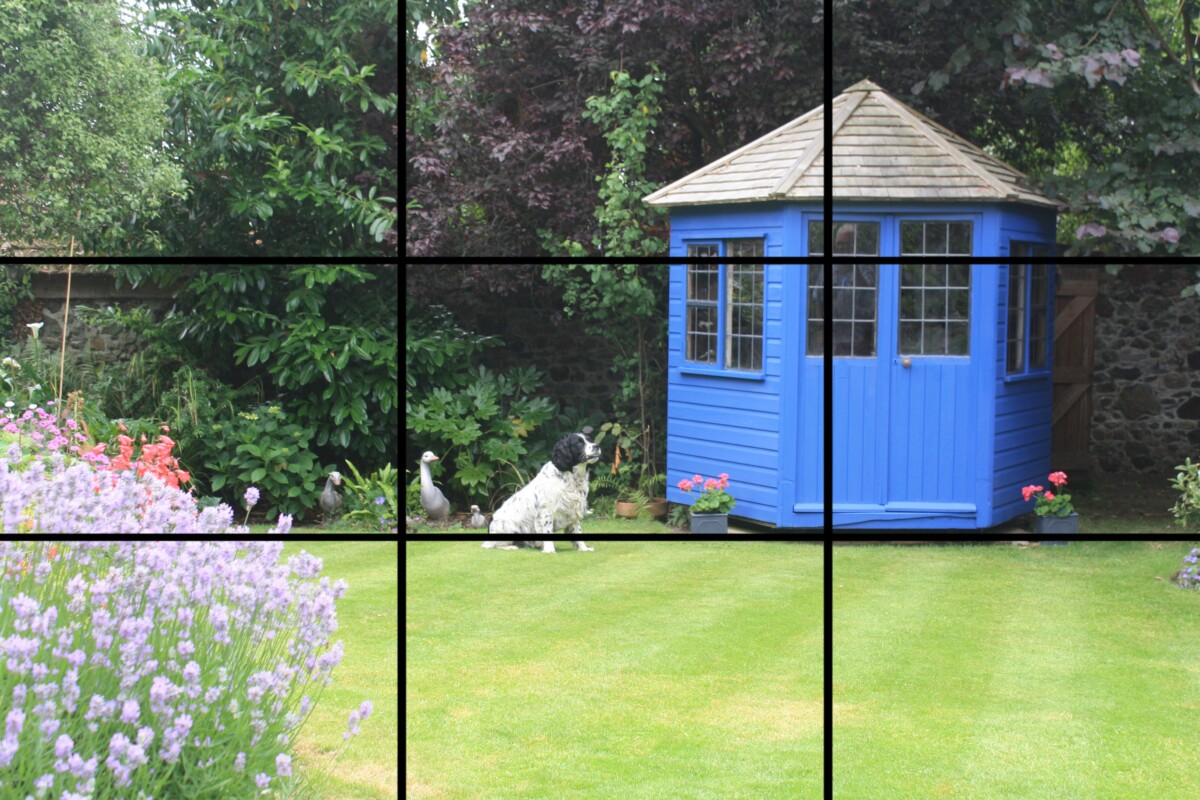
This usually draws people in; things such as leading lines and the rule of thirds are two popular compositional guides. The rule of thirds works by placing the main centre of attention on both a horizontal “third” line and a vertical “third” line, which you can see in this picture below. When relating this to lawn photography, possibly by placing the horizon on one of the horizontal lines, this could achieve the rule of thirds. Another example would be to place a feature such as a shape in the lawn on one of the verticals.

“The rule of thirds” – HCT Turf archive image

Lighting

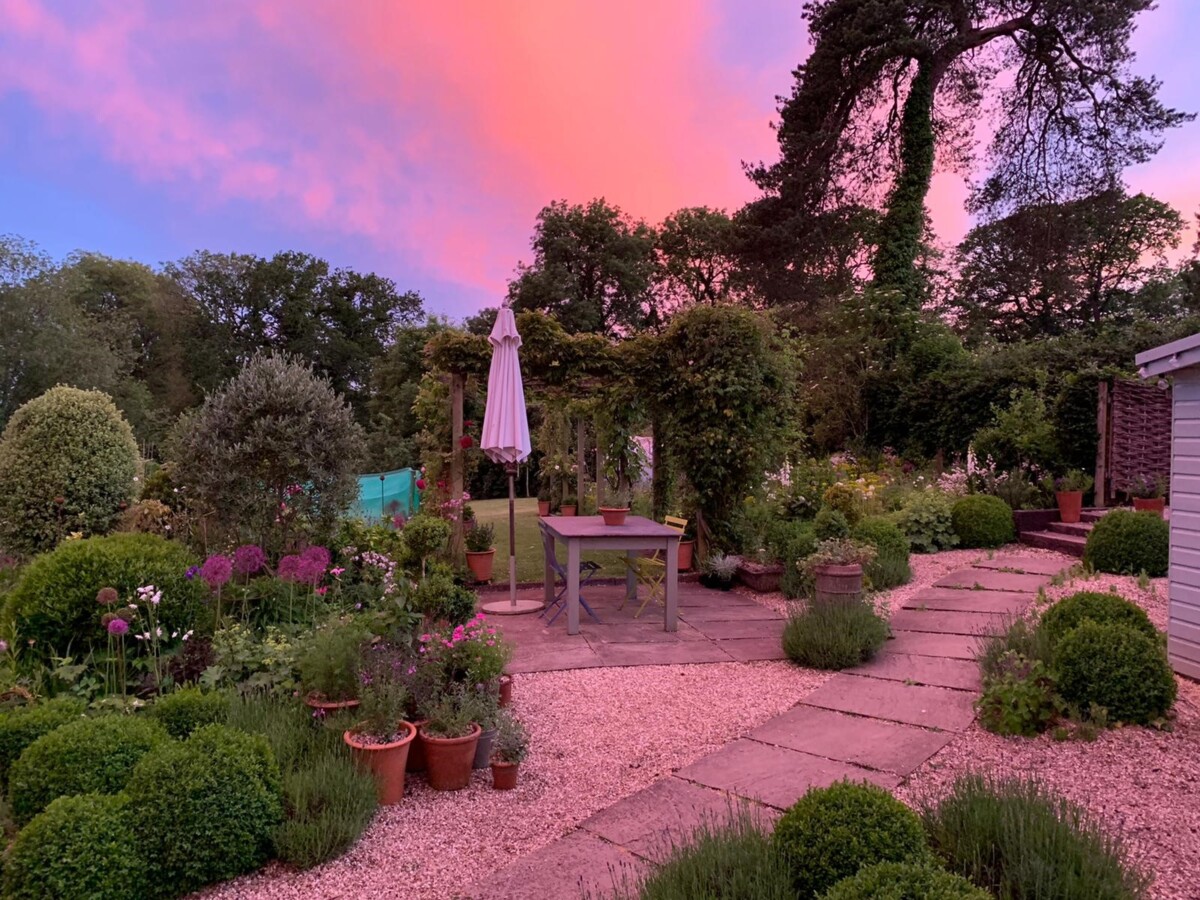
Arguably as crucial, if not more, is lighting. When lighting your lawn images, you rely on the natural light around you. As a rule of thumb, bright sunshine looks warm and inviting but creates shadows in your picture. Cloudy or overcast days give the image a cold and flat look, but shadows are reduced. When thinking about the time of the day, I love to shoot during the golden hour, or as the sun becomes much lower and gives a lovely golden glow to the image. Try taking pictures at different times of the day and see which you like best; there is no right or wrong, so try and experiment.

2021 entry

Angle

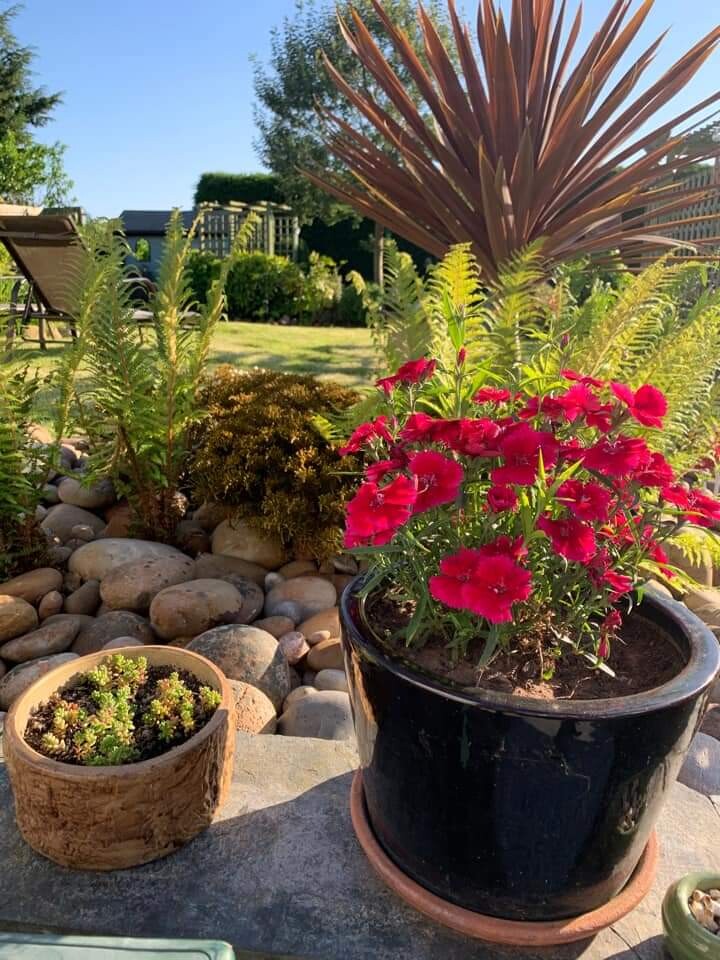
When taking your images, it’s good to think about the angle or height you might want to take your photo. The height at which you take your picture will change the depth/layering of the image. The higher you take the photo, the flatter the image will look; try getting lower and creating foreground interest. As a rule of thumb, choose either low down or from height. Taking a photo from head height is the easiest way to take a picture, but it will mean your images look very similar to all the other images we see on the internet.

2021 entry

Now you have a few tips and tricks that you can use while photographing your lawn images. If you can remember composition, lighting and angle, you will be set to capture a great shot. I look forward to seeing your entries. Good luck!

Felix Northover

For all the details of our #ILoveMyDevonGarden charity campaign click here

Felix Northover

We are delighted to welcome Felix as one of our judges for #ILoveMyDevon Garden 2022. Here’s a bit more about him.

With a distinction in UAL Photography and a 1st in Film and TV from Exeter College, as a professional full-time photographer and filmmaker I now list the college, Exeter Chiefs, Exeter City Council, Devon County Show, ISCA Wellbeing and SWComms, among others, as key corporate clients.


From my base in Devon, my work takes me across the country and often beyond; opening up opportunities and experiences that both challenge and excite me on a daily basis.


Professionalism stands at the core of my work, allowing me to create content that captivates and engages my audience from every aspect; each and every new project offers an opportunity to grow, to learn and to exceed client expectations with the highest quality end result.


To find out more, visit – felixnorthoverphotography.com

For all the details of our #ILoveMyDevonGarden charity campaign click here

Contact us

01392 231040
sales@wesellturf.com

Office address

HCT Turf
The Old Stable
Clyst Road
Topsham
EX3 0DB

Social media

Why use laying boards?

Why use laying boards?

There are a couple of reasons why you should use turf laying boards for your project.

Why use laying boards?

There are a couple of reasons why you should use turf laying boards for your project.

1. The turf laying boards ensure an even distribution of your weight which:-

a. Avoids indentations made by walking on the newly laid turf, and
b. Helps to compress weight for good soil to turf contact.

2. They also act as a straight edge for your next row!

Using laying boards

Professional landscapers use turf laying boards for the reasons stated above. And, when you’ve spend hours raking and levelling your soil, you really don’t want to undo all that hard work by putting your big size 12’s in the soil or leaving tracks by heaving your heavy wheelbarrow across the garden!

What you’ll need

You’ll need at least a couple of boards, approx. 4 foot long each. This will enable you to move one board along while you are standing on the other. Plus, a 4 foot board means it’s not too heavy to pick up and reposition.

Let’s get started

  1. Lay your first row of turf.
  2. Place your laying board on top of the turf to use as a platform to work from. Stand on the laying board to ensure you don’t do any damage to the newly laid turf.
  3. As you move along, move the first board and place it onto the turf and move along without standing on the fresh turf.
  4. Stagger the joints (brick pattern) of the turf from row to row to avoid any unsightly joins.
  5. Push the turf as close together as possible.
  6. It’s useful to sprinkle fine top soil into any gaps between rolls of turf and brush over with a soft broom for even coverage and to avoid the edges drying out. In warm weather some shrinkage is normal, so these steps will help to make the newly laid lawn look as good as possible.
  7. Curved and slanted lines will require the turf to be cut to fit. An old kitchen knife will do the job just fine!
  8. At the end of a row of turf where a piece is cut to fit, it is best to avoid finishing with a very small piece. If necessary, cut the previous piece and use a longer strip to finish. Again this reduces the problems of shrinkage.
  9. Any exposed edges of new turf can be butted up with more top soil along the cut edge to stop it drying out and help the turf to root down and establish.
  10. Water the newly-laid lawn well. Continue to do so regularly until its established.
  11. In warmer weather this this could mean watering it once or twice a day. Take a look at our summer guide for more details.
  12. Avoid walking on your new lawn for a couple of weeks so the turf can bed in and knit together.
  13. And only mow once the turf has rooted. Find out more here

Other related articles
– TURF ORDERING

We supply quality turf all year round. If you would like any further advice on lawn care or would like to talk to us about your order, please contact us on 01392 231040 or email sales@wesellturf.com

Contact us

01392 231040
sales@wesellturf.com

Office address

HCT Turf
The Old Stable
Clyst Road
Topsham
EX3 0DB

Social media

Do you sell grass seed?

Do you sell grass seed?

People often ask if we sell grass seed. The short answer is no. We buy our grass seed by the tonne in bags of 20kg which will cover 570 square metres. The mixture that we buy has been similar since the 1980s when we started growing our own turf, but each year we try to improve the results with adjustments to the cultivars selected. At any one time there are hundreds to choose from with varying qualities.

Do you sell grass seed?

People often ask if we sell grass seed. The short answer is no. We buy our grass seed by the tonne in bags of 20kg which will cover 570 square metres. The mixture that we buy has been similar since the 1980s when we started growing our own turf, but each year we try to improve the results with adjustments to the cultivars selected. At any one time there are hundreds to choose from with varying qualities.

Seeding large areas

If you have an area of around 500 square metres to seed by all means call us. We may be able to sell you a bag or two of seed if we have enough stock for our current requirements, however we would not be able to sell part of a bag. If we can’t spare any at that time we will suggest trying Mole Valley Farmers who sell a lawn seed mixture, or search online. There is a good chance that their price will be lower than ours so you may like to try them first.

Where to buy small amounts

For patches or small areas to seed, garden centres and even supermarkets (in season) sell boxes of grass seed. The box should tell you the seed mixture, coverage and instructions. We generally use 25% ryegrass and 75% a mixture of fescues. It varies a little from year to year but a mixture like that will look very similar to our turf. Even if you put down seed which is a little different from this proportion, over time it will all look the same as the grass plants grow and spread. It is definitely not crucial to get precisely the same seed.

How much will I need?

When sprinkling seed with your hands you will need about 35g per square metre. If you have such a large area you are using a tractor and seed drill you could reduce it down to 20g per square metre.

The advice on the RHS website is very helpful, you can find our more here – https://www.rhs.org.uk/advice/profile?pid=424

We supply quality turf all year round. If you would like any further advice on winter lawn care or would like to talk to us about your order, please contact us on 01392 231040 or email sales@wesellturf.com

Contact us

01392 231040
sales@wesellturf.com

Office address

HCT Turf
The Old Stable
Clyst Road
Topsham
EX3 0DB

Social media